Weekly · FL Post Wire
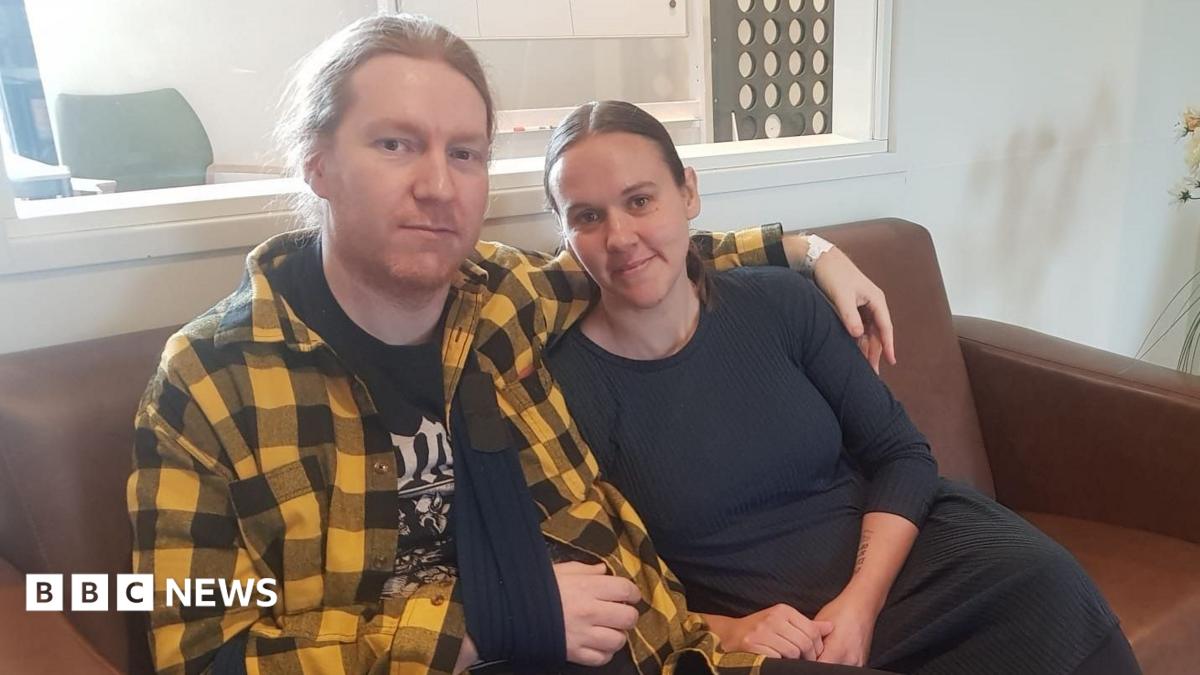
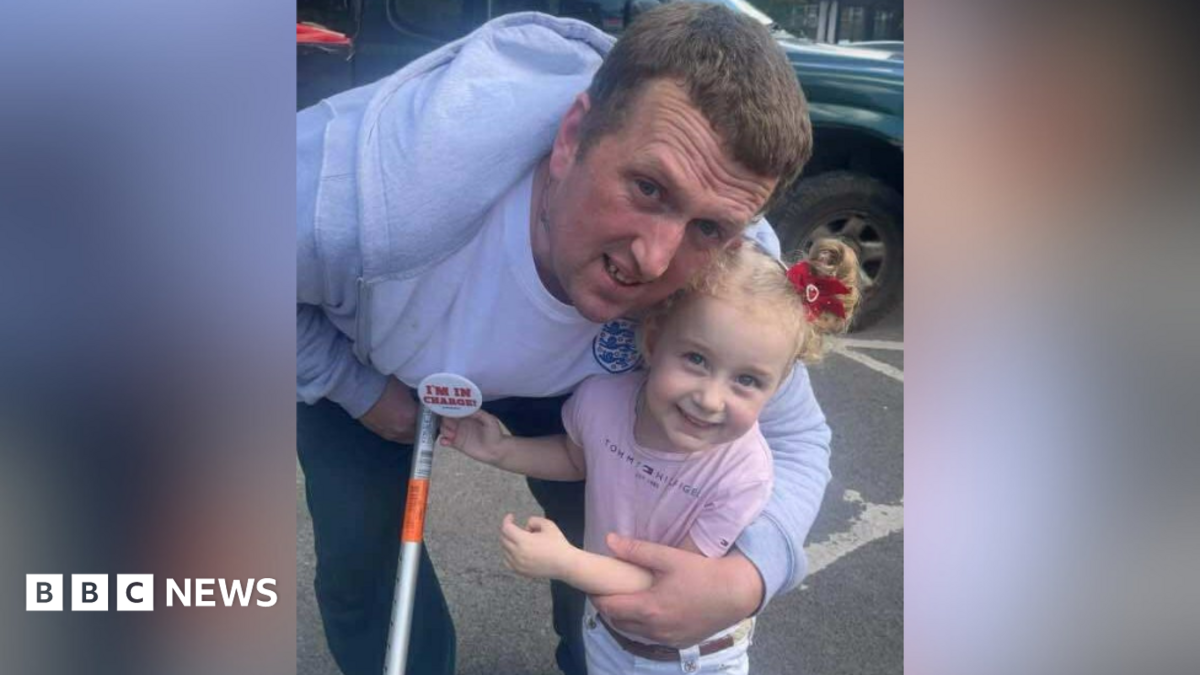
He credits his family as the driving force behind his recovery and said one of his hardest moments had been seeing them leave for their home in Worcestershire while he was confined to a Dutch hospital bed. "That was one of the hardest moments," he said. "Not knowing when I'd see them again, but I knew why I was doing it.
I had to get better", he added. My drive to recover came from wanting to be the best husband, father and friend I could be." Jacobs said one of the biggest misconceptions about stroke recovery was that it was a quick fix. "People say you recover in six months.
That's not true. It takes longer. But one day, you'll look back and you'll be amazed how far you've come.
"My right arm isn't great, but God gave us a spare," he added. "My perspective has changed - at the end of the day, I'm still alive. I believe there was a plan for me and I'm grateful it happened when it did, not when I was driving or completely alone." He added: "A stroke doesn't mean your life is over, it just means you have to fight for it in a different way." Jacobs is now raising awareness as part of the Stroke Association , external 's 'Survival Is Not Enough' campaign.
He said if he can help one person with their recovery journey, it would make speaking out about his experience worthwhile.
Source: BBC